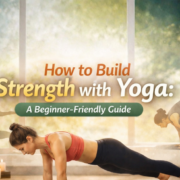
The first time I tried yoga, I spent more time checking if everyone else looked confused than actually breathing. A guy next to me folded forward like a paper clip while I stood there with tight hamstrings and socks sliding off the mat. It was awkward. Kind of funny too.
That’s usually how yoga for beginners starts. Not peaceful. Not graceful. Mostly just people figuring out where their hands go and wondering if they’re breathing too loudly.
If you’ve been thinking about starting yoga but keep putting it off because you feel stiff, tired, nervous, or honestly just lost, this guide is for you. We’re going through the basics slowly. You’ll learn simple yoga poses for beginners, how to practice yoga for beginners at home, what mistakes are normal, and how to build a realistic 30-day routine without turning your room into a fake wellness studio.
You do not need expensive leggings. You do not need flexibility. And no, you don’t need to wake up at 5 a.m. unless you actually enjoy that sort of thing.
Why Yoga Feels Weird at First
Here’s something nobody really tells you. The hard part of yoga usually isn’t strength. It’s patience.
A college student named Riya joined a beginner yoga class near her hostel last year because her lower back kept hurting after long study sessions. Second class in, she whispered to the instructor, “I think I’m too bad at this.” Meanwhile everyone else in the room looked equally confused trying to balance in Tree Pose.
That’s normal.
Your body has habits. Tight shoulders. Locked hips. Short breathing. Sitting all day changes the way muscles move. So when people try yoga for the first time, the body reacts like, “Wait. We’re doing what now?”
The good news is your body adapts pretty fast when you stop forcing it.
If you’ve already read about the benefits of yoga on the Mahi Power Yoga blog, you probably noticed something interesting. Most long-term yoga students didn’t begin because they were flexible. They started because something hurt, mentally or physically.
That’s a more common starting point than Instagram likes to admit.
What You Actually Need Before Starting
Not much.
Seriously, keep it simple at the beginning.
You need:
- A mat, towel, or soft surface
- Loose clothes you can move in
- Twenty minutes
- Enough floor space so you don’t kick your chair halfway through a stretch
That’s it.
A boy named Sameer from Pune started doing yoga in the corner of his bedroom after football practice because his calves kept cramping. For the first two weeks he used an old bedsheet instead of a yoga mat. Worked fine. The only real issue was his dog walking underneath him during Downward Dog.
People overcomplicate starting yoga because they think they need the perfect setup first. You don’t.
What matters more is consistency. Tiny sessions done often beat one giant session you quit after three days.
Yoga for Beginners at Home Feels Different Than a Class

A lot of beginners worry they’ll do poses wrong without a teacher nearby. Fair concern honestly.
But yoga for beginners at home has one huge advantage. Nobody’s watching you.
You can pause. Restart. Fall over. Laugh. Try again.
That freedom matters when you’re learning.
At Mahi Power Yoga, many of the beginner-focused articles talk about slowing down and understanding breath before chasing difficult poses. That’s smart advice because beginners often rush into advanced shapes way too early.
If you’re practicing at home, keep these things in mind:
Don’t copy advanced students online
Social media yoga can make beginners feel behind before they even start. Someone balancing upside down on a beach has probably practiced for years.
Your goal right now is simple movement and breathing. Nothing more.
Your breath matters more than touching your toes
A beginner mistake happens all the time. People hold their breath trying to stretch deeper.
Bad trade.
If your breathing turns sharp or strained, back off slightly. Yoga works better when your nervous system feels calm enough to cooperate.
Short sessions are completely fine
A student named Kavya started with ten-minute morning routines before her engineering classes. She kept apologizing to herself for “not doing enough.” Four months later she was practicing almost daily because the short sessions felt manageable.
Small routines stick.
That matters more than motivation speeches.
Basic Yoga Poses for Beginners That Actually Help
You don’t need fifty poses in your first month. A handful done properly is enough.
Child’s Pose
This is usually where beginners finally unclench their jaw.
Kneel down, sit your hips back toward your heels, and stretch your arms forward. If your forehead doesn’t reach the mat, no problem. Put a pillow underneath.
A lot of people use this pose between harder movements because it slows breathing down naturally.
One guy in a beginner batch at Dharamshala used Child’s Pose every few minutes during class because he got dizzy easily. Nobody cared. Teachers expect adjustments.
Cat-Cow Stretch
This one helps stiff backs a lot.
You move between rounding the spine and arching it slowly while breathing in rhythm. It feels simple, though many beginners rush through it too fast.
If you spend six hours a day bent over a laptop, this pose usually feels surprisingly good.
Mountain Pose
Looks easy. Isn’t.
You stand still with awareness instead of collapsing into your hips and knees. Sounds boring until you notice how uneven your posture actually is.
Many people learning yoga for posture improvement start here because standing correctly affects everything else.
Downward Dog
This pose frustrates beginners constantly.
Heels won’t touch the floor at first for most people. Knees may bend. Arms shake. Totally expected.
A student named Harsh once asked during class, “Why does everyone online look relaxed in this pose?” The instructor laughed because honestly, beginners rarely feel relaxed here initially.
Take your time with it.
Cobra Pose
Lie on your stomach and gently lift your chest.
Beginners trying this pose often push too high and squeeze the lower back. You only need a small lift in the beginning.
Think length, not height.
Easy Yoga Poses for Beginners Who Feel Stiff
Some people avoid yoga because they think flexibility comes first.
Wrong order.
Yoga builds flexibility. It doesn’t require it upfront.
If your muscles feel tight all the time, start here.
Seated Forward Fold With Bent Knees
You’re allowed to bend your knees. Deeply if needed.
A teenager named Aditi almost quit yoga because she couldn’t touch her toes during class. The teacher finally told her something useful: “Your goal isn’t your toes. Your goal is steady breathing.”
That changed everything for her.
Bridge Pose
This one strengthens the back body gently while opening the front of the hips.
If you sit a lot during study sessions or gaming, your hips probably stay tight for hours. Bridge Pose helps counter some of that stiffness.
Legs Up the Wall
This barely even feels like exercise.
You lie on your back with legs resting vertically against a wall. Great for tired legs and overstimulated brains.
Honestly, many students keep this pose in their routine during exams because it forces the body to slow down for a few minutes.
Does that make sense so far?
Because yoga gets easier once you stop treating it like a flexibility competition.
Your 30-Day Beginner Yoga Plan
You do not need heroic discipline here. You need a pattern your brain won’t immediately reject.
Week 1: Just show up
Practice for 10 to 15 minutes.
Focus on:
- Child’s Pose
- Cat-Cow
- Mountain Pose
- Gentle breathing
That’s enough.
The goal this week is proving to yourself that yoga can fit into normal life.
Week 2: Add movement slowly
Start linking poses together.
Include:
- Downward Dog
- Cobra Pose
- Forward Fold
- Bridge Pose
A college student named Neeraj practiced after dinner every evening because mornings felt impossible for him. At first he kept forgetting sequences halfway through. Totally fine. Your body remembers gradually.
Week 3: Build confidence
Increase sessions to around 20 minutes.
This is usually when beginners notice small changes:
- Better sleep
- Less stiffness
- Easier breathing
- Improved focus during classes
Nothing dramatic. Just little shifts.
That’s real progress.
Week 4: Create your own flow
By now you’ll know which poses help you most.
Some beginners like calming stretches. Others enjoy slightly stronger flows. Experiment a little.
You might also want to explore topics like brain yoga exercises or beginner breathing techniques if mental stress is part of why you started.
Common Mistakes Beginners Make

Everyone makes these. Seriously.
Comparing yourself constantly
Yoga gets miserable when every class becomes a silent competition.
A student once spent an entire session staring at the flexible girl beside him instead of focusing on his own breathing. He admitted afterward he remembered nothing from the class except feeling bad about himself.
Stay in your lane.
Stretching too aggressively
Pain is not proof of progress.
A mild stretch feeling is okay. Sharp pain is your body telling you to stop immediately.
Skipping rest days
Beginners sometimes get excited and suddenly practice intensely every single day.
Then wrists hurt. Hamstrings tighten. Motivation crashes.
Your body needs recovery too.
Ignoring breathing
This one changes everything.
People focus so much on shapes that they forget yoga connects movement with breath. Slow breathing helps muscles relax naturally.
Without that part, yoga just becomes awkward stretching.
What Happens After the First Month?
Usually one of two things.
Either you realize yoga isn’t really your thing, which honestly happens sometimes, or you notice small benefits that quietly make you keep going.
A student named Tanvi started yoga because anxiety made it hard to sleep before exams. After a month she still couldn’t balance properly and hated plank positions. But she noticed her breathing stayed calmer during stressful days.
So she continued.
That’s how long-term habits usually form. Not through giant life changes. Through little moments where something feels slightly better than before.
If you eventually want deeper practice, you can explore beginner-friendly guides about Ashtanga yoga training or structured yoga courses later on. No rush though.
You’re still building the basics.
Yoga for Beginners Is Supposed to Feel Messy Sometimes
People imagine yoga as peaceful from day one.
Realistically, your foot may cramp during Tree Pose while your phone buzzes with notifications and your brain randomly remembers unfinished homework.
That’s normal life.
Yoga for beginners is really about learning how to return attention back to your body without getting annoyed every five seconds.
Some days feel smooth. Other days feel stiff and distracting.
Both count.
If you’ve made it through this guide, you already know more than most people who keep waiting for the “perfect time” to start. You’ve learned basic yoga poses for beginners, easy yoga poses for beginners with tight muscles, how to practice yoga for beginners at home, and how to build a simple 30-day structure without burning yourself out.
So here’s something practical you can do today. Pick three poses from this article and try them tonight for ten minutes. Not tomorrow morning. Not next Monday.
Just enough time to figure out how your body feels right now.
That’s a solid place to begin.
FAQs
1. How often should beginners do yoga?
Three to four times a week works well for most beginners. Daily yoga sounds nice in theory, but many people quit when they make the routine too intense too quickly. Start smaller than you think you need.
2. Can I do yoga if I’m not flexible?
Yes. Honestly, many beginners start yoga because they feel stiff. Flexibility improves gradually with consistent movement and breathing. You do not need to touch your toes on day one.
3. What is the best time for yoga for beginners?
Morning works for some people because the mind feels quieter then. Others prefer evenings because the body feels warmer and less stiff. The best time is usually the one you’ll actually stick with.
4. How long should a beginner yoga session be?
Even 10 to 20 minutes is enough in the beginning. A short session done regularly helps more than one long session that leaves you exhausted or sore.
5. Which yoga style is easiest for beginners?
Hatha yoga usually feels easiest for beginners because the pace is slower and poses are explained carefully. Gentle beginner flows also work well if you’re practicing at home through videos or guided classes.